
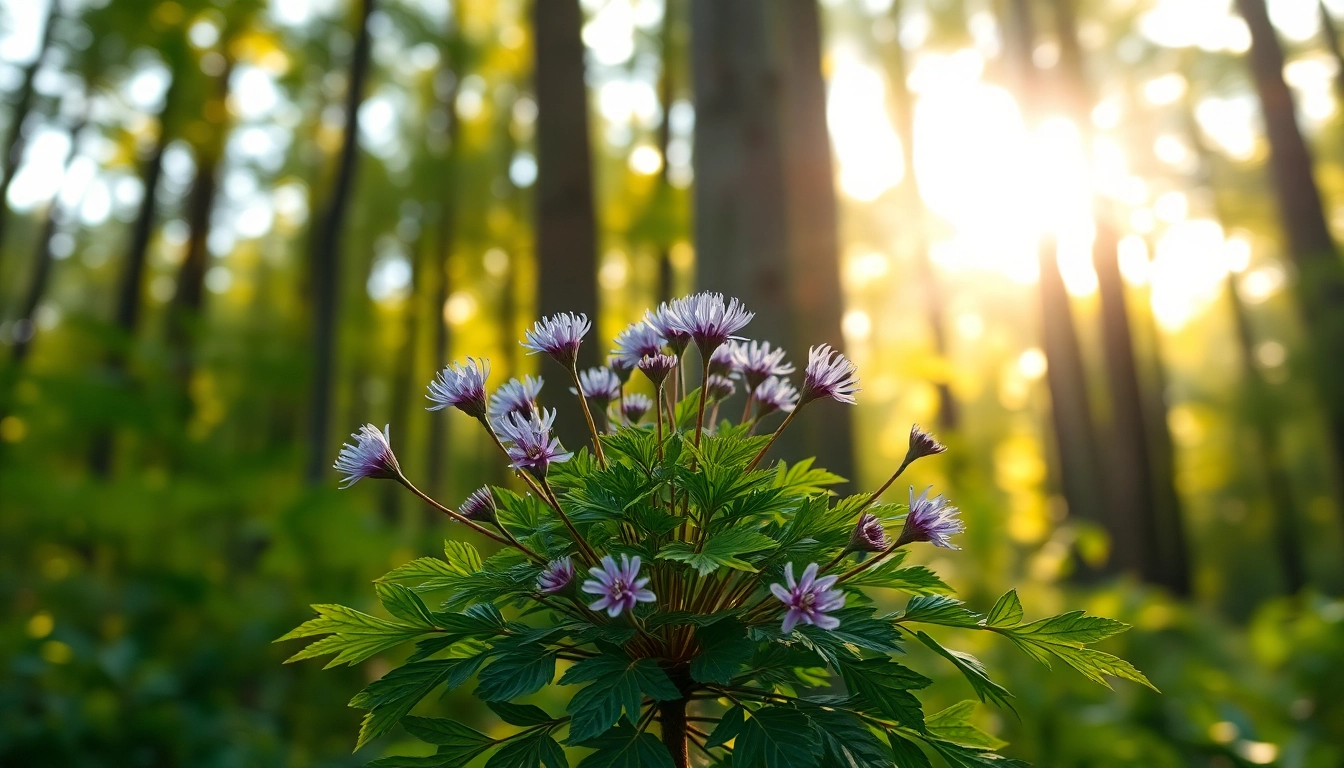
Introduction to DMT and Its Natural Sources
Dimethyltryptamine (DMT) is a powerful hallucinogenic compound found naturally in certain plants and even synthesized in laboratories. Known for its intense, short-lived psychedelic experiences, many individuals seek information on how to get dmt for both recreational and therapeutic use. This guide delves into the background of DMT, its natural sources, legal aspects, extraction methods, and its broader cultural context.
What is DMT?
DMT, or N,N-Dimethyltryptamine, belongs to a class of compounds known as tryptamines. It’s regarded as a powerful psychedelic, inducing vivid visual and auditory hallucinations. The effects typically last for a short duration, making it different from other psychedelics like LSD or psilocybin. DMT is thought to play a role in our natural physiology, with some research suggesting that it may be produced in the human brain, specifically in the pineal gland. Users often describe experiences characterized by altered perceptions of time, space, and reality.
Natural Plants Containing DMT
Several plants are known for their naturally occurring DMT content. Some of the most notable include:
- Mimosa hostilis – Widely used for its high concentration of DMT in the root bark, it has historical significance in various traditional practices.
- Psychotria viridis – Commonly used in combination with other plants in traditional ayahuasca brews, which are known for spiritual ceremonies.
- Diplopterys cabrerana – Another plant used in traditional brews, contributing to the psychoactive effects of the combination.
Each of these plants has unique properties and combinations with other substances, enhancing the overall experience during consumption.
Legal Considerations of DMT
The legal status of DMT varies considerably around the world. In the U.S., DMT is classified as a Schedule I controlled substance, meaning it is illegal to manufacture, distribute, or possess. Some exceptions exist, particularly for religious or ceremonial use among Indigenous tribes. Understanding the laws surrounding DMT is crucial for anyone considering its use, as legal repercussions can be severe.
How to Get DMT from Plants
Extracting DMT from natural sources is a meticulous process that requires knowledge of chemistry and adherence to safety protocols. Below is a comprehensive overview of the methods used to extract DMT from plant materials, particularly focusing on Mimosa hostilis.
Extraction Methods Overview
DMT can be extracted using various methods, primarily focusing on two types:
solvent extraction and acid-base extraction.
Acid-base extraction is among the most common methods as it separates DMT from other plant materials efficiently.
Step-by-Step Guide to Acid-Base Extraction
- Gather Materials: You will need Mimosa hostilis root bark, sodium hydroxide (lye), naphtha or heptane, and various lab equipment such as glass jars, a sieve, and a heat source.
- Prepare the Bark: Finely grind the Mimosa hostilis root bark to increase the surface area for extraction.
- Mix with Water and Lye: Combine the ground bark with water and sodium hydroxide in a container. This creates a basic solution that allows DMT to become soluble.
- Separation Process: After stirring, allow the mixture to settle. DMT will separate into the non-polar solvent (naphtha) when added. Carefully layer off the naphtha and repeat the process to ensure maximum yield.
- Evaporation: To obtain pure DMT crystals, evaporate the naphtha in a safe, ventilated area. The remaining residue should contain the extracted DMT.
Always ensure proper safety measures, including wearing gloves and a mask, as chemicals involved can be harmful.
Safety Precautions During Extraction
When embarking on the extraction of DMT, safety should be a top priority. Here are essential precautions:
- Work in a well-ventilated space to avoid inhalation of harmful fumes.
- Wear protective gear such as gloves and goggles to prevent skin and eye contact with caustic chemicals.
- Store all chemicals in labeled, secure containers away from children and pets.
- Ensure no open flames are present, especially when using flammable solvents.
Alternatives to Natural Extraction
While natural extraction is popular, synthetic methods exist for producing DMT, bypassing the need for plant material. These methods can yield higher quantities and purities but come with their own set of challenges.
Synthetic Options for DMT Production
Various chemical syntheses can create DMT from readily available precursors. This includes employing specific reactions involving tryptamine and methylating agents. Caution is essential, as synthesizing pharmaceuticals without proper licensing is illegal and can pose health risks.
Comparing Natural vs. Synthetic Methods
The choice between natural extraction and synthetic production depends on several factors:
- Purity: Synthetic methods tend to produce purer compounds, free from the impurities found in plant materials.
- Accessibility: For those without access to specific plants, synthetic routes may be more feasible.
- Ethical Considerations: Many advocate for natural methods in respect of Indigenous practices and the environment.
Potential Risks and Benefits
Each method of obtaining DMT has its risks and benefits.
Natural extraction can be safer when performed correctly but carries legal issues if discovered.
Synthetically produced DMT may lead to higher-quality substances but should be approached with caution, considering potential toxic chemicals involved.
The Cultural Context of DMT Use
DMT is not only a chemical substance but also carries a rich tapestry of cultural practices and beliefs, particularly in indigenous communities of South America.
Traditional Practices Involving DMT
Indigenous tribes have utilized DMT-containing plants for centuries in spiritual ceremonies. Ayahuasca, a brew often containing DMT, is used for shamanic rituals aimed at healing, divination, and connecting with the spiritual realm.
Modern Uses in Therapy and Spirituality
Recently, there has been a resurgence in interest regarding the therapeutic applications of DMT. Research suggests potential benefits for treating depression, PTSD, and anxiety. Methods of integration into therapeutic frameworks are under investigation, offering hope for mental health treatment.
Ethical Considerations Surrounding DMT Use
The increasing popularity of DMT raises ethical questions regarding cultural appropriation and commercialization. Respecting the traditions of indigenous use while exploring therapeutic opportunities is essential for creating a balanced discourse around DMT’s use.
FAQs About Getting DMT
What is the natural version of DMT?
DMT appears naturally in several plants, such as Mimosa hostilis and Psychotria viridis, commonly used in traditional preparations.
Is it easy to extract DMT at home?
Extraction requires knowledge of chemistry and safety protocols. While it can be done at home, understanding risks is crucial.
How does DMT affect users?
Users typically experience intense visual and auditory hallucinations, altered perceptions of time, and deep emotional insights during their experiences.
What are the risks of using DMT?
Potential risks include psychological distress, legal issues, and physical dangers associated with extraction methods and consumption.
Can DMT be legal?
In many countries, DMT is illegal, classified as a controlled substance. However, some indigenous rituals may permit its use legally.